The art of placemaking: why emotional connection matters
27 April 2026
For a long time, development has been measured by physical output.
Density, yield and efficiency have traditionally defined success. We’re seeing that approach shift. As cities grow and expectations change, people are placing more value on how a place feels to spend time in. It’s no longer enough to deliver something that functions well. People expect more from the environments around them.
From function to experience
At Riverlee, we think about development in two parts.
There is the physical outcome, the buildings, materials and infrastructure that construct a site. But there is also the experience of being there. How a place feels, how people move through it and whether they choose to stay.
The projects that succeed today are the ones that get both right. They work well, but they also feel considered and connected to their surroundings.
Why connection matters
We are seeing a clear shift in what people value.
Places that feel grounded in their context and offer something beyond convenience are more likely to attract repeat use. When people feel comfortable in a space, they stay longer and come back more often. Over time, that influences how a place becomes part of the wider community.
In growing cities, this matters more. As density increases, shared spaces carry more weight in how people experience their environment.
Building on what exists
Many sites carry layers of history that are often overlooked or removed through redevelopment.
We see value in retaining and reinterpreting those elements where possible, using them to inform what comes next rather than starting from a blank slate. This approach creates a stronger sense of identity and allows a place to feel more established from the outset.
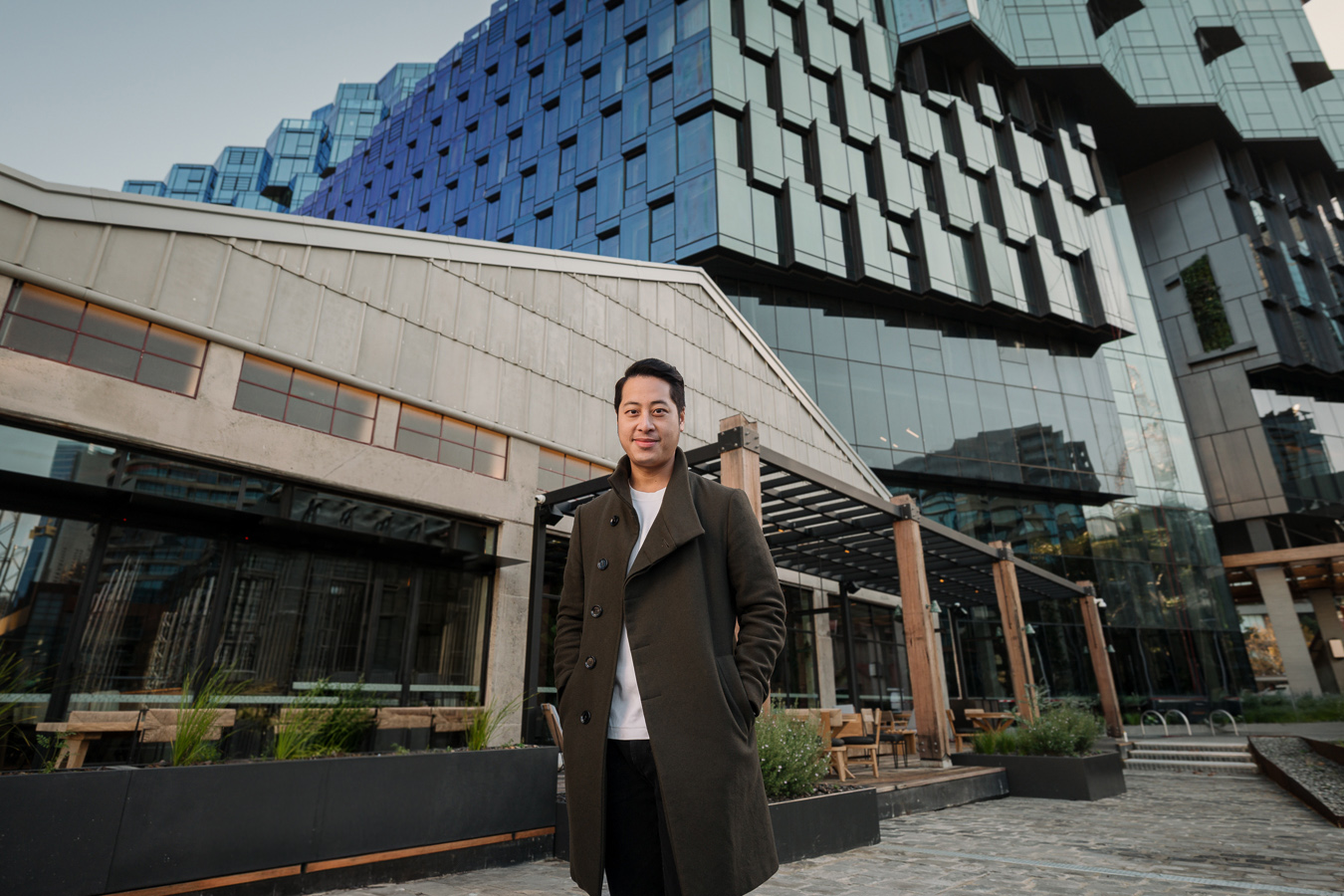
We’ve applied this thinking across projects such as Seafarers in Melbourne, where a long-dormant stretch of the Yarra River has been reactivated by working with its maritime history, and The Hanging Garden in Hobart, where a cultural precinct has been allowed to grow through minimal intervention before broader development is introduced. In both cases, the focus has been on building connections first, letting the character of the site guide the outcome rather than imposing a fixed vision from the start.
This results in places that feel grounded in their surroundings and more closely aligned with how people already use and understand them.
The commercial impact
There is also a clear link between placemaking and long-term performance.
From our experience, projects with a strong sense of place tend to see more consistent use and stronger engagement over time. Research supports this, showing they can achieve higher values, faster sales and better tenant retention.
They are also more likely to build long-term loyalty and support smoother delivery outcomes.
Research, including Hoyne’s work on The Place Economy, shows that developments with a clear identity consistently outperform more generic projects. Placemaking doesn’t just improve experience, it drives performance. When people connect with a place, they stay longer, return more often and engage more deeply.
Over time, that translates into stronger demand, higher occupancy and increased asset value. It can also support faster sales, clearer differentiation in the market and smoother planning outcomes.
Taking a long-term view
For us, placemaking is not something applied at the end. It needs to be considered early and carried through the life of a project. It’s about creating places that people want to spend time in, and that continue to evolve with their communities.
That approach takes longer, but it leads to more resilient outcomes and places that hold their value over time.
28 Greengate breaks ground, an exclusive penthouse opening and our team gives back
19 October 2026
28 Greengate breaks ground, an exclusive penthouse opening and our team gives back
Each spring, Melbourne seems to come alive again. Tables spill onto footpaths, conversations linger a little longer, and the city remembers how good it is to be together. It’s a feeling I’ve found at the heart of every Riverlee project. Places come alive through the people who experience them, and our role is to create…
The crowning penthouse at 1 Hotel & Homes Melbourne launches to market
08 September 2026
The crowning penthouse at 1 Hotel & Homes Melbourne launches to market
Penthouse 1801 has hit the market, the second and final penthouse atop 1 Hotel & Homes, Melbourne. Its sister residence, Penthouse 1802, sold for over $20 million earlier this year We’ve been working on Seafarers and 1 Hotel & Homes Melbourne for over a decade, with the aim of transforming the Melbourne waterfront. After restoring…
The latest from the Riverlee team
30 July 2026
The latest from the Riverlee team
Two years ago, I began a journey on behalf of Riverlee, and I knew it would take the whole business to get there. That journey was our B Corp certification process. One question sat at the centre of it: are we operating in a way that reflects the values we talk about every day?…