Restoring identity: How a 1959 mosaic inspired the rebirth of Max Angus House
01 September 2025
At Riverlee, we believe that a building’s identity should reflect more than its owner, it should connect to place, history and community. This philosophy underpins our approach to repositioning and renaming assets, where heritage and cultural significance guide the future of a space.
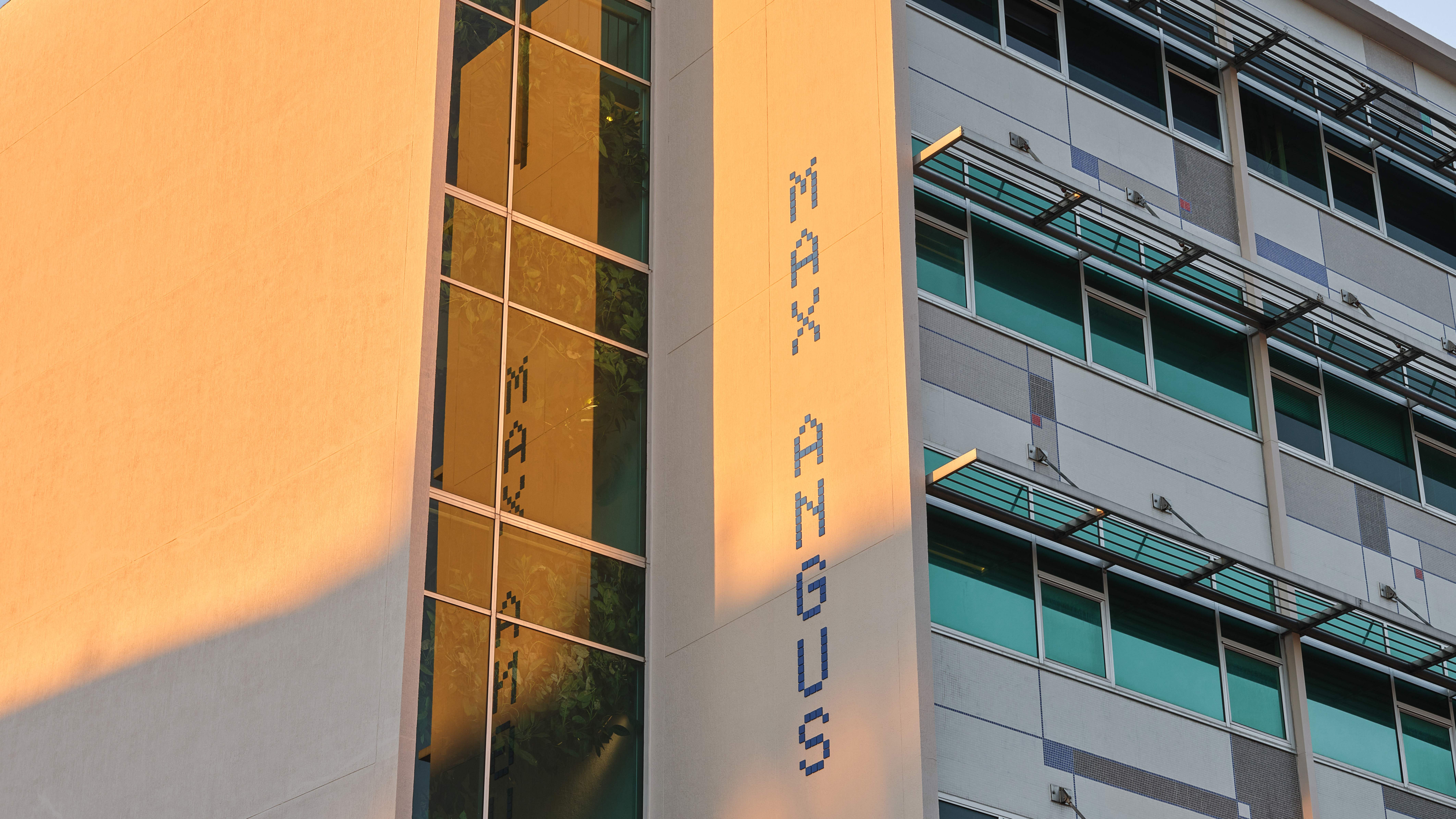
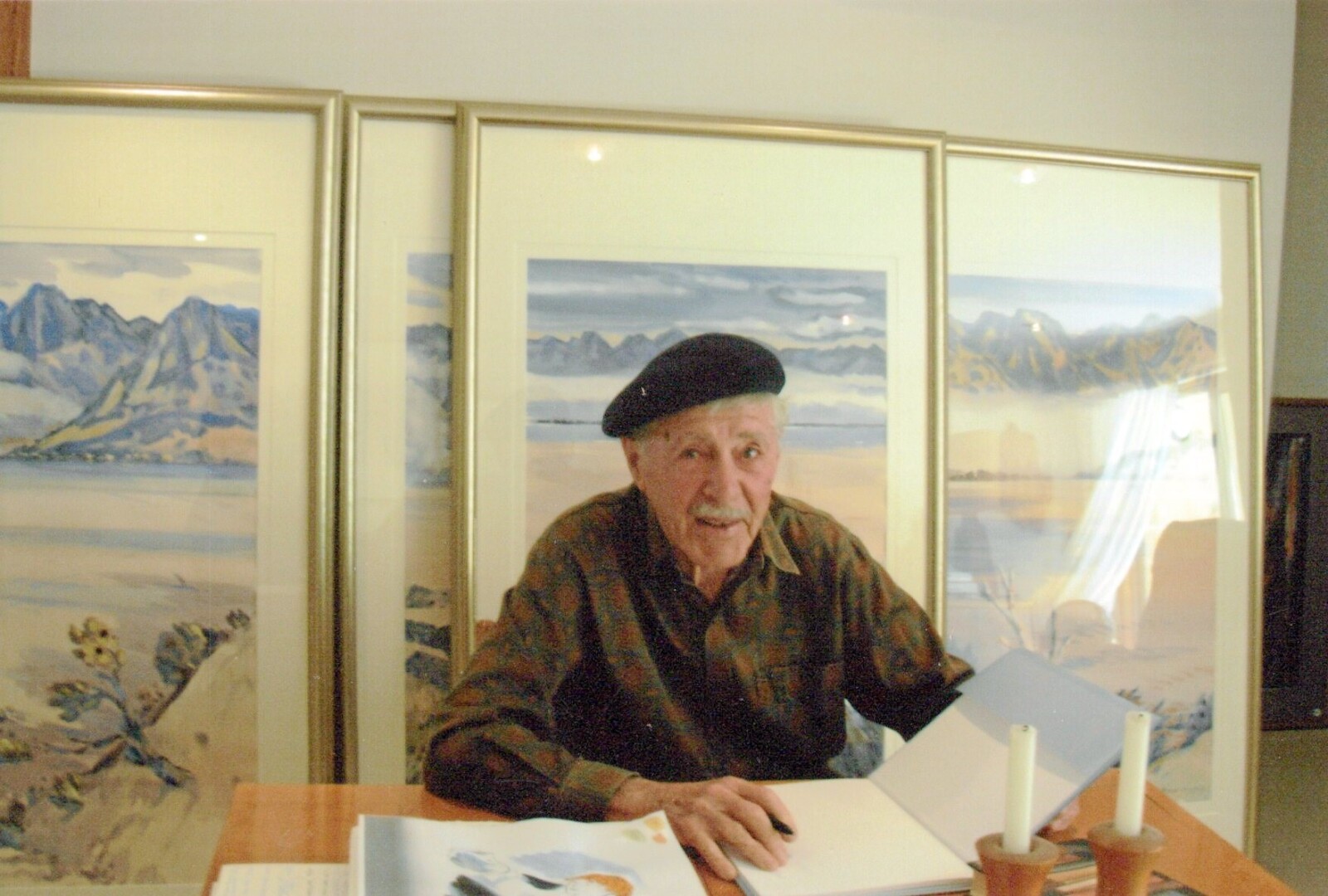
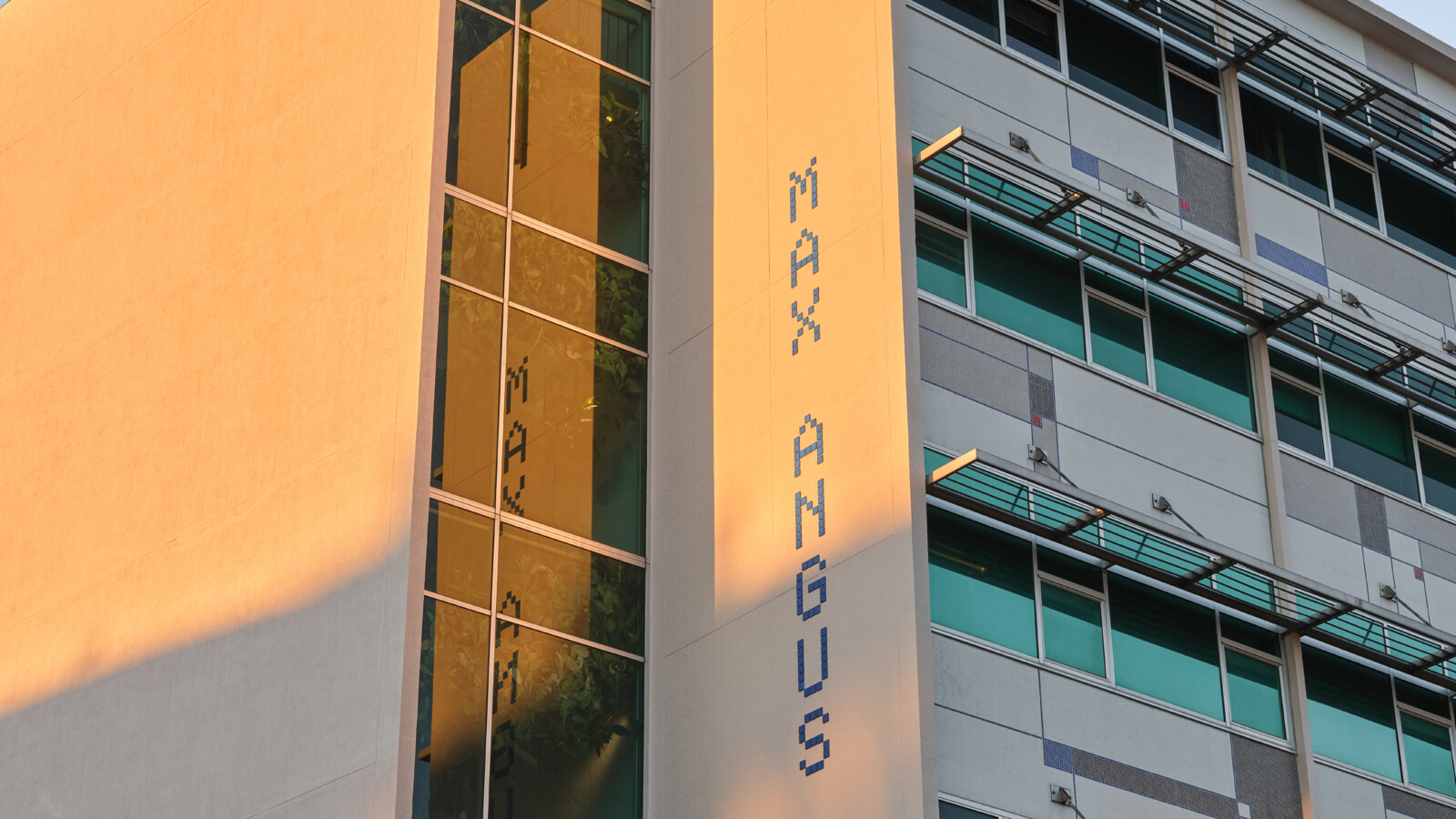
Our recent collaboration with The Hanging Garden Group in nipulana/Hobart exemplifies this thinking. Formerly known as Construction House, the six-storey office building at 116 Bathurst Street has been reimagined as Max Angus House, honouring the iconic Tasmanian artist whose artistic legacy spans both the state’s landscapes and its built environment.
Constructed in 1959, the building’s distinctive façade features a rare public artwork by Max Angus AM, a Mondrian-inspired blue mosaic that endures as one of Hobart’s mid-century relics. Honouring this legacy, we set out to restore and reimagine the building’s identity, ensuring it holds a rightful place in Hobart’s evolving CBD in a way that feels authentic and deeply connected to its context.
As Development Director David Lee said, “Rather than naming the building after its owner, we believe it should carry a name that reflects its own identity — something people can connect with.”
Peter Angus, son of Max Angus, said on behalf of the family:
“The facçade is probably the only remaining public art of Max Angus in the city and as a family we are thrilled that it is being recognised and preserved. The naming of the building is a great honour – a memorial to a very vocally proud Tasmanian!”
The repositioning of Max Angus House goes beyond naming. Upgrades have transformed the building into a contemporary workplace ideal for Hobart’s community of creators and entrepreneurs, home to forward-thinking businesses such as The Bob Brown Foundation. Sustainability measures, biophilic design and new end-of-trip facilities ensure it supports today’s ways of working while paying respect to the past.
A rare and remarkable feature is contained within the building, a 20-metre-tall rubber fig tree that rises through the building’s central stairwell. Planted during the building’s original construction, it is believed to be one of Australia’s largest indoor trees, a living connection to nature that Riverlee was committed to preserving.
Set within The Hanging Garden cultural precinct, Max Angus House demonstrates Riverlee’s broader vision: development that celebrates character, fosters creativity, and preserves the stories that make places meaningful.
The crowning penthouse at 1 Hotel & Homes Melbourne launches to market
08 September 2026
The crowning penthouse at 1 Hotel & Homes Melbourne launches to market
Penthouse 1801 has hit the market, the second and final penthouse atop 1 Hotel & Homes, Melbourne. Its sister residence, Penthouse 1802, sold for over $20 million earlier this year We’ve been working on Seafarers and 1 Hotel & Homes Melbourne for over a decade, with the aim of transforming the Melbourne waterfront. After restoring…
The latest from the Riverlee team
30 July 2026
The latest from the Riverlee team
Two years ago, I began a journey on behalf of Riverlee, and I knew it would take the whole business to get there. That journey was our B Corp certification process. One question sat at the centre of it: are we operating in a way that reflects the values we talk about every day?…
Riverlee is now a Certified B Corporation
15 June 2026
Riverlee is now a Certified B Corporation
Two years ago, we began a journey – one we knew would take the whole business to get there. That journey was our B Corp certification process. One question sat at the centre of it: are we operating in a way that reflects the values we talk about every day? This month, we’re proud to share the answer. Riverlee is now…